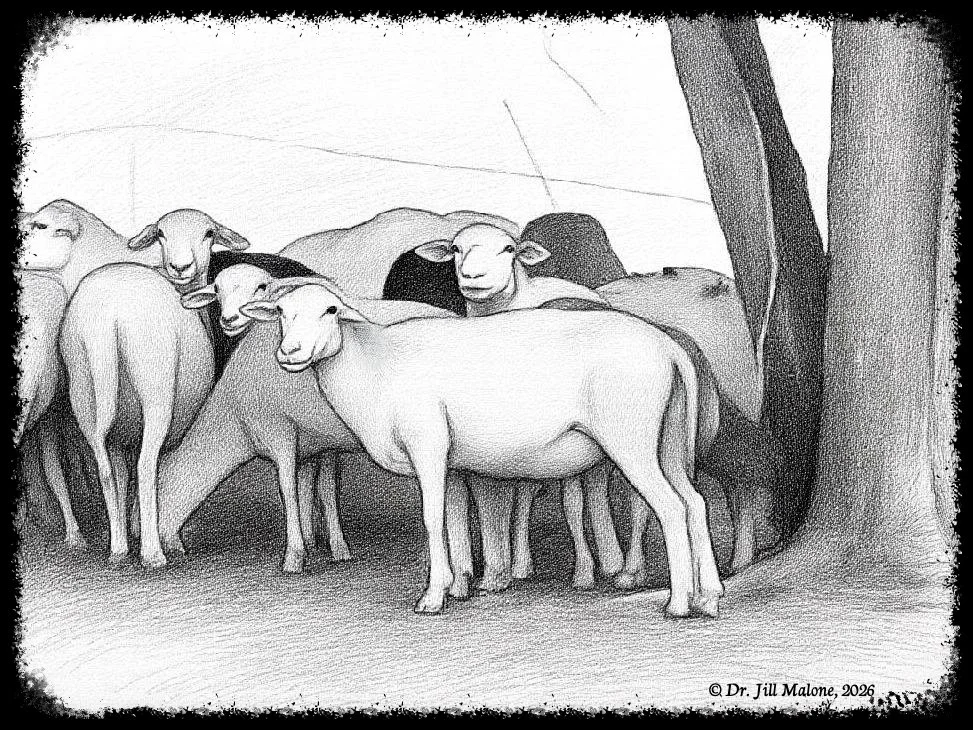
Livestock are the beating heart of a fully integrated homestead.
For millennia, traditional farmers learned how to work with the earth’s regenerative capacity.
This was accomplished by returning nutrients back to the earth via livestock manure.
Keeping animals for meat, fur, wool, and eggs requires real technical skill. Much of this information can absolutely be learned online. There are excellent videos, forums, and books that walk you through everything from brooding chicks to trimming sheep hooves. But experience, timing, and muscle memory only come from doing the work. At some point, you have to step into the pen.
Reaching out to your local and online community can make that leap far less intimidating. Local poultry and livestock auctions can be useful places to source animals, provided you are careful and observant. Even if you do not buy anything, simply watching how experienced handlers move, restrain, corral, and pen livestock is an education in itself. There is a rhythm to it. There is also a fair amount of mud, dust, and manure. Most livestock auctions are happy to take volunteers, and this is a great way to learn handling techniques and get to know reputable farmers.
Visit local farmers who are selling stock. Most are happy to talk, especially if you show genuine interest and ask thoughtful questions. Volunteer at a livestock auction, with 4-H, with Future Farmers of America, or offer to help a neighbor work their animals. If you are considering sheep or cattle, stock dog trials and herding trials always need volunteers. You will learn more in a single weekend of opening gates, carrying buckets, and trying to stay one step ahead of a determined ewe than you will in hours of reading. You will also build community, which may be even more important than the skill itself.
Click on the TITLE below to learn about how to select and care for the livestock most likely found on an integrated homestead.
Fish
Working Dogs
Turkeys
Goats
Meat Cows
Niche Markets
Pigs